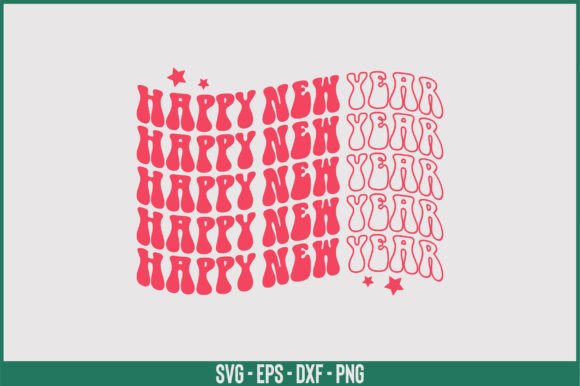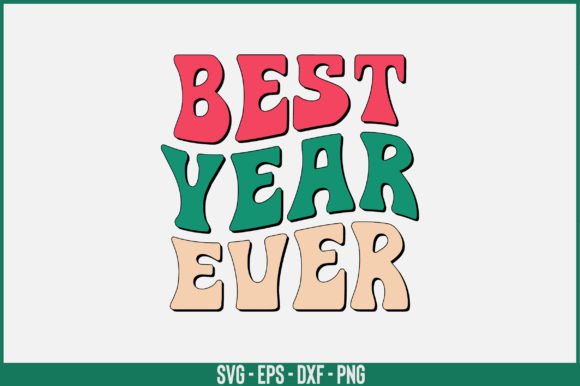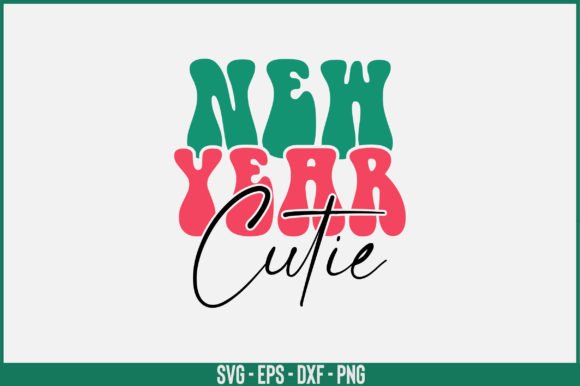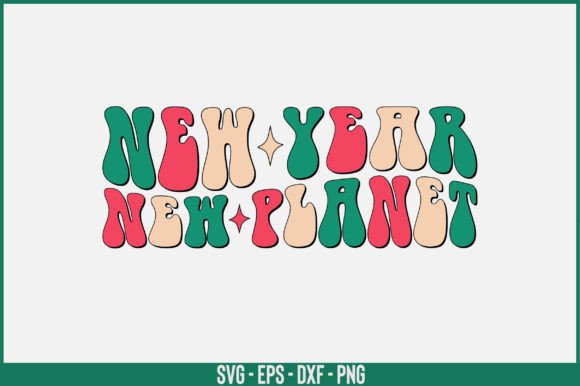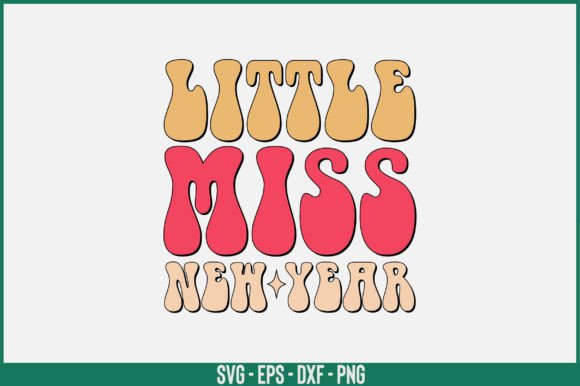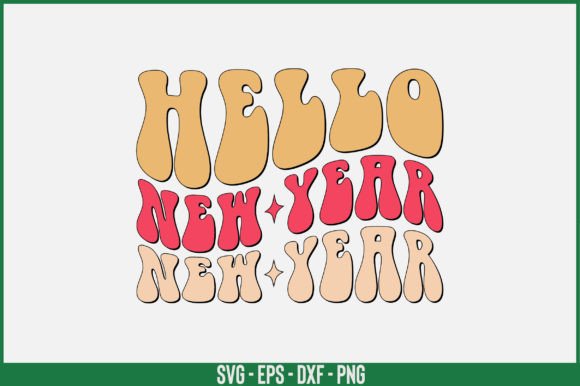
Hello New Year Retro Svg Design Review
As a designer who spends half my life staring at stitch density charts and the other half worrying about whether a client’s font choice will actually read clearly on a curved cap, I approach every new digital asset with a mix of optimism and skepticism. The market is flooded with "festive" graphics, but few manage to bridge the gap between trendy aesthetics and actual technical viability for embroidery. That is why I decided to put Hello New Year Retro Svg Design through its paces. This isn't just another generic holiday clipart file; it is a piece of design assets that demands scrutiny before it ever touches the needle plate of an embroidery machine.
The immediate first impression of this design is one of nostalgic warmth. In a sea of cold, corporate blue-and-silver holiday themes, this graphic brings a distinct personality. It feels like something you might have seen on a vintage postcard or a mid-century diner menu, reimagined for the modern crafter. For those of us building a brand around handmade products, that emotional resonance is critical. Customers do not just buy a stitched tote bag; they buy the feeling of comfort and celebration associated with it. This design delivers that mood instantly.
Visual Personality and Layout Analysis
When evaluating any machine embroidery design, the layout is the first thing I check. Does it sit well in standard hoop sizes? Is there enough negative space to prevent visual clutter? The Hello New Year Retro Svg Design excels here. The typography is bold and retro-styled, which suggests a thicker stroke weight—this is excellent news for embroiderers. Thin, delicate lines often fray or disappear entirely after washing, especially on textured fabrics like fleece or terry cloth. A bolder retro style holds up much better under the tension of thread.
The composition feels balanced, making it versatile for various applications. It does not scream for attention in a chaotic way; rather, it invites the viewer in. This subtlety is what makes it suitable for high-end boutique branding as well as casual craft fair merchandise. When I mock this up mentally on a cream-colored canvas tote, the contrast pops without being harsh. On a dark navy sweatshirt, it would likely require a solid underlay to ensure the colors remain vibrant, but the potential for a striking finished product is undeniable.
Real-World Application: From Screen to Stitch
Let’s talk about real use cases. I recently had a request from a small business owner looking to create a line of personalized gifts for their Etsy shop. They wanted something that felt personal but professional, avoiding the cliché snowflakes and reindeer. This design was a perfect candidate. Here is how I see it performing in specific scenarios:
- Custom Apparel: Placed on the chest of a crewneck sweatshirt, this design offers a cozy, festive vibe. The retro aesthetic pairs beautifully with heavyweight cotton blends, creating a garment that looks intentional and stylish rather than mass-produced.
- Baby Items: For nursery decor or baby blankets, the softness of the retro theme works well. However, caution is advised here. If the design includes tiny decorative elements, they may be too small for a baby’s sensitive skin or may pill quickly. Always test on scrap fabric first to ensure the finish is smooth.
- Kitchen and Home Goods: Tea towels and aprons are staple items for any craft business. The durability of this design means it can withstand frequent washing, which is crucial for kitchen textiles. Imagine a set of matching aprons embroidered with this motif for a holiday gift set—it adds significant perceived value to the bundle.
- Accessories: Caps and hats present a unique challenge due to their curved surfaces. While the text is legible, intricate details might distort if the curve is too sharp. I recommend using this design on structured caps with flatter front panels to maintain clarity.
Technical Considerations for Embroidery Designers
Even the most beautiful graphic can fail technically if ignored. Before digitizing or importing this file into your software, consider the following practical notes:
- Stitch Density and Type: Ensure the digitized version uses appropriate fill stitch techniques for the solid areas. Too dense, and the fabric will pucker; too sparse, and the base material will show through. Check that the satin stitch edges are clean to prevent fraying over time.
- Fabric Texture: Avoid using this design on highly textured fabrics like boucle or heavy waffle knits unless you are experienced in stabilizing such materials. The design relies on clear lines, which can get lost in deep weaves.
- Thread Colors: The retro theme likely calls for specific color palettes—perhaps mustard yellows, burnt oranges, or muted teals. Test these against your chosen fabric. On dark fabrics, you may need to use a white underlay or a lighter thread shade to ensure the retro colors pop correctly.
- Hoop Size Constraints: Verify the dimensions of the design against your machine’s maximum hoop size. If you plan to scale it up significantly, ensure that the aspect ratio remains consistent and that no critical details are cut off by the hoop frame.
Where Caution Is Required
There are certain situations where this design should be used carefully. Small hoop sizes can compress fine details, so if you are working on a very limited canvas, simplify the design or choose a larger area. Textured fabrics can hide the intricacies of the retro styling, leading to a muddy final look. Additionally, stretchy fabrics like jersey knit require careful stabilization to prevent distortion during stitching. Without proper stabilizer support, even a sturdy design like this can warp.
Another point of consideration is the longevity of the finished product. If this is intended for commercial resale, such as a line of holiday pajamas or reusable shopping bags, the design must endure wear and tear. The retro style, with its bold lines, generally ages well, but always inspect the back of the work for loose threads or excessive backing material that could cause discomfort.
Impact on Brand and Customer Trust
In the world of Etsy seller operations and small shop products, presentation is everything. A high-quality embroidery project signals professionalism and care. When customers receive a item featuring Hello New Year Retro Svg Design, they are getting more than just a holiday greeting; they are receiving a piece of art that reflects thoughtfulness. The unique aesthetic helps differentiate your offerings from competitors who might be using the same generic templates. This distinction builds trust and encourages repeat business.
Furthermore, the versatility of this design allows for creative marketing. You can showcase it in printable mockups as part of a holiday collection, highlighting its suitability for both personal gifts and commercial ventures. By demonstrating how the design adapts to different mediums—from embroidered patch applications to large-scale wall hangings—you appeal to a broader audience of creative entrepreneurs.
Final Verdict
The Hello New Year Retro Svg Design is a strong contender for anyone looking to add a touch of vintage charm to their embroidery repertoire. Its bold, nostalgic aesthetic translates well to various handmade products, from custom apparel to home decor. However, success depends on proper execution. Take the time to test on scraps, choose the right stabilizer, and select complementary thread colors. By doing so, you transform a simple digital file into a cherished personalized gift that stands out in a crowded market.
Whether you are a seasoned pro or a hobbyist maker, this design offers the flexibility and visual appeal needed to create memorable projects. Just remember to review the specific file formats included—SVG, EPS, DXF, and PNG—and ensure they align with your workflow. With careful planning and attention to detail, this design can elevate your next holiday collection from ordinary to exceptional.