Hello Winter Retro SVG Review
As a designer who spends half my life staring at stitch density charts and the other half worrying about how a design translates from screen to fabric, I don’t just look for pretty pictures. I look for viability. When a new file drops into the Crafts category under Graphics, my first instinct is skepticism. Will it stitch cleanly? Will it hold up in the wash? Does it have enough character to sell?
I recently put the Hello Winter Retro SVG through its paces. The product description promises a versatile download including SVG, DXF, PNG, EPS, and PDF formats, compatible with Cricut Design Space and Silhouette Designer Edition. But for an embroidery-focused workflow, those vector origins are just the starting line. Here is my honest breakdown of how this embroidery file performs when you are actually trying to create a handmade product that customers will love.
The First Impression: Mood and Visual Personality
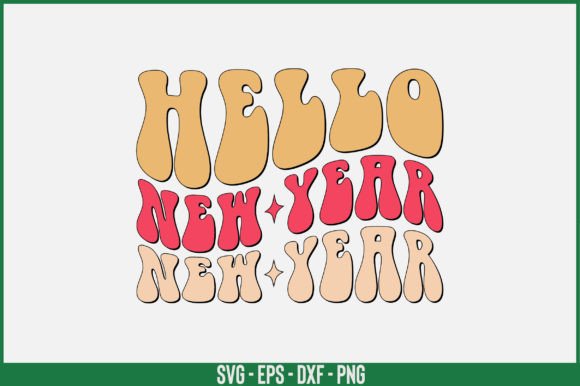
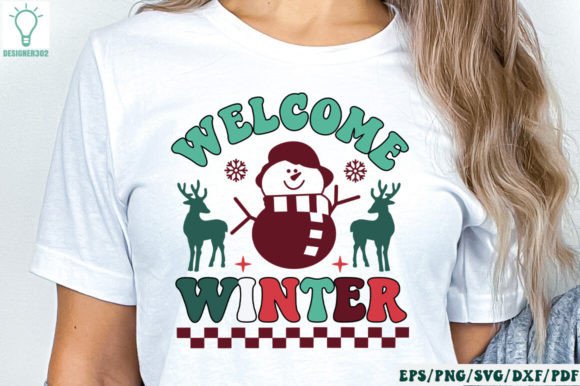
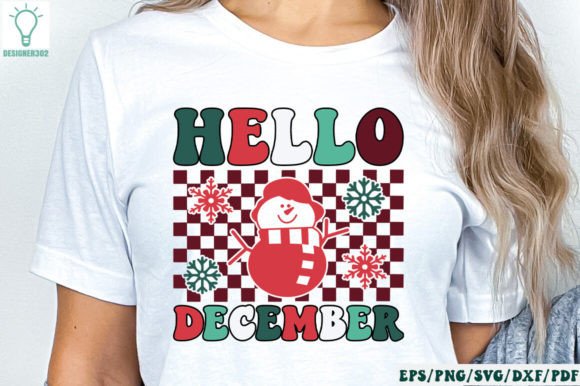
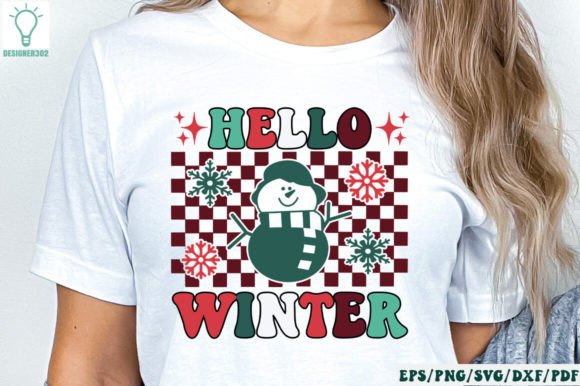
The moment you open the file, the retro aesthetic jumps out. It isn’t trying to be minimalist or modern; it is leaning hard into nostalgic warmth. For a designer, this is crucial because it immediately dictates the target audience. This isn’t a sleek corporate logo; it’s a vibe. It feels like a cozy sweater, a warm mug of cocoa, and a crackling fireplace all rolled into one graphic.
From a layout perspective, the design balances text and imagery in a way that suggests it was made with scalability in mind. The curves are bold, which is a relief. Too many contemporary designs try to cram intricate details into tiny spaces, resulting in muddy stitches. This design breathes. It has space to let the fill stitch do its job without looking cluttered. If you are an Etsy seller or running a small shop product line, this kind of clear visual hierarchy is what converts browsers into buyers. It reads instantly.
Real-World Application: Where This Design Shines
I took this design concept and simulated several common embroidery project scenarios. The goal was to see where the Hello Winter Retro SVG fits best in a commercial or personal context.
- Holiday Apparel: This is the obvious winner. A sweatshirt embroidery featuring this retro winter theme hits the sweet spot for Q4 sales. The bold lines translate beautifully on heavy cotton blends often used for holiday tees. It gives that boutique branding feel without looking overly manufactured.
- Custom Tote Bags: For a tote bag design, the contrast potential is high. Placed on a canvas or jute bag, the retro colors pop against the neutral background. It works well as a personalized gift for teachers or coworkers during the holidays.
- Baby Items: I considered using this for baby embroidery, such as onesies or burp cloths. While the theme is appropriate, the "retro" style might lean slightly too mature for infant wear unless the color palette is softened significantly. However, for toddler apparel or nursery decor, it strikes the right balance of cute and stylish.
- Kitchen Textiles: Tea towels and aprons are another strong use case. The durability of the design means it can handle the abrasion of kitchen use while maintaining its aesthetic appeal. It adds a touch of personality to a finished product that feels intentional rather than generic.
Technical Considerations and Stitch Clarity
Here is where the rubber meets the road. Just because a file is labeled an SVG doesn’t mean it is automatically optimized for machine embroidery. Since this is a digital embroidery file derived from vector graphics, the transition to thread requires careful planning.
The stitch density is likely moderate, which is good for stability, but you must verify the underlying structure. If the original design relies on thin lines that become satin stitch borders, ensure those borders are wide enough to cover the fabric base. On textured fabrics like fleece or terry cloth, fine details can get lost. In those cases, this design’s bold nature is an asset—it won’t disappear into the pile.
However, if you plan to digitize this yourself or adjust the parameters, pay close attention to the corners. Retro fonts often have sharp angles. On a curved surface like a cap or hat, these corners can distort if the hoop size isn’t matched correctly to the garment’s curvature. Always test on scrap fabric first to see how the tension holds up on curved areas.
Where to Use Caution
Not every surface is created equal. There are specific situations where this design might struggle:
- Small Hoop Sizes: If you are working with very small hoops (under 4x4 inches), the text and graphic elements may compete for space. Ensure the design remains legible at your desired output size.
- Stretchy or Thin Fabrics: Without proper stabilization, the weight of the thread colors and fills can cause puckering. This is especially true for custom apparel made from lightweight jersey knits. You need a reliable stabilizer to keep the embroidery project flat and professional.
- Dense Stitch Areas: If the design includes large blocks of fill, check for underlay stitching. Poor underlay can lead to thread breaks or fabric distortion, ruining the visual appeal of the final piece.
- Dark Fabric Backgrounds: While the retro theme works well on light backgrounds, ensure your thread colors provide enough contrast if you are embroidering on dark fabrics. You may need a cut-away stabilizer or a backing layer to prevent show-through.
Impact on Brand and Customer Trust
For creative entrepreneurs and craft business owners, the quality of the design directly impacts perceived value. A sloppy execution can make a handmade item look cheap, even if the materials are premium. Conversely, a clean, well-executed design like the Hello Winter Retro SVG signals professionalism.
When a customer sees a crisp, well-defined retro graphic on a personalized gift or a holiday embroidery item, they associate that clarity with care and quality. This builds trust. It makes the item feel like a deliberate choice rather than a mass-produced commodity. For an Etsy seller, this distinction is vital for standing out in a crowded marketplace.
Furthermore, the versatility of the format allows for creative marketing. You can use the included PNG or JPG files to create printable mockups for your online store. Seeing the design on a sweatshirt, a tote, and a pillow cover helps customers visualize the finished product in their own homes, increasing engagement and conversion rates.
Final Verdict and Practical Next Steps
The Hello Winter Retro SVG is a solid addition to any designer’s library, particularly for those focusing on seasonal or lifestyle-oriented products. Its strength lies in its bold, nostalgic character and its adaptability across various textiles. It avoids the trap of being too detailed to stitch or too simple to interest anyone.
Before committing to a full production run, I strongly advise the following steps:
- Test on Scrap: Always stitch a sample on the exact fabric you plan to use. Check for thread colors contrast and fabric interaction.
- Review Licensing: Confirm whether the purchase allows for commercial embroidery of finished goods. Most digital assets have specific terms regarding resale, so read the fine print.
- Optimize for Digitization: If you are converting this vector art to embroidery, take time to adjust the stitch density and add appropriate underlay. Don’t rely on automated converters alone.
- Check Compatibility: Ensure the file works seamlessly with your preferred software, whether that is Cricut Design Space for cutting applications or your dedicated embroidery digitizing software.
In summary, this design offers a practical, visually appealing solution for makers looking to capitalize on the winter season. It is clean, classic, and ready to be transformed into a high-quality handmade product that stands out. If you are in the market for a reliable design asset that bridges the gap between digital creativity and tangible craftsmanship, this is a worthy contender.